That burning chest feeling ruining your meal or your sleep? Knowing what to drink for heartburn relief (and what to avoid) is just one piece of the puzzle, and getting the full picture can help you feel better faster and keep symptoms from coming back.
Jump to
What to drink for heartburn relief: quick soothers and common triggers
When that burning sensation hits, reaching for the right drink can make a real difference. Water is the MVP here—it dilutes stomach acid and helps flush it out of your esophagus. Plain, room-temperature water is best, and sipping it slowly throughout the day (not chugging during meals) can help prevent heartburn from starting in the first place.
Alkaline water, which has a higher pH than regular water, may provide extra relief by neutralizing acid. Some people find it helpful, though research is mixed on how much benefit it actually provides.
Low-fat milk can temporarily coat the esophagus and provide quick relief for some people. The fat content matters here—full-fat milk can actually make things worse by relaxing the lower esophageal sphincter (LES), the muscle that keeps stomach acid where it belongs.
Ginger tea is another soothing option. Ginger has anti-inflammatory properties and may help calm the digestive system. Steep fresh ginger in hot water or use ginger tea bags, and sip it slowly.
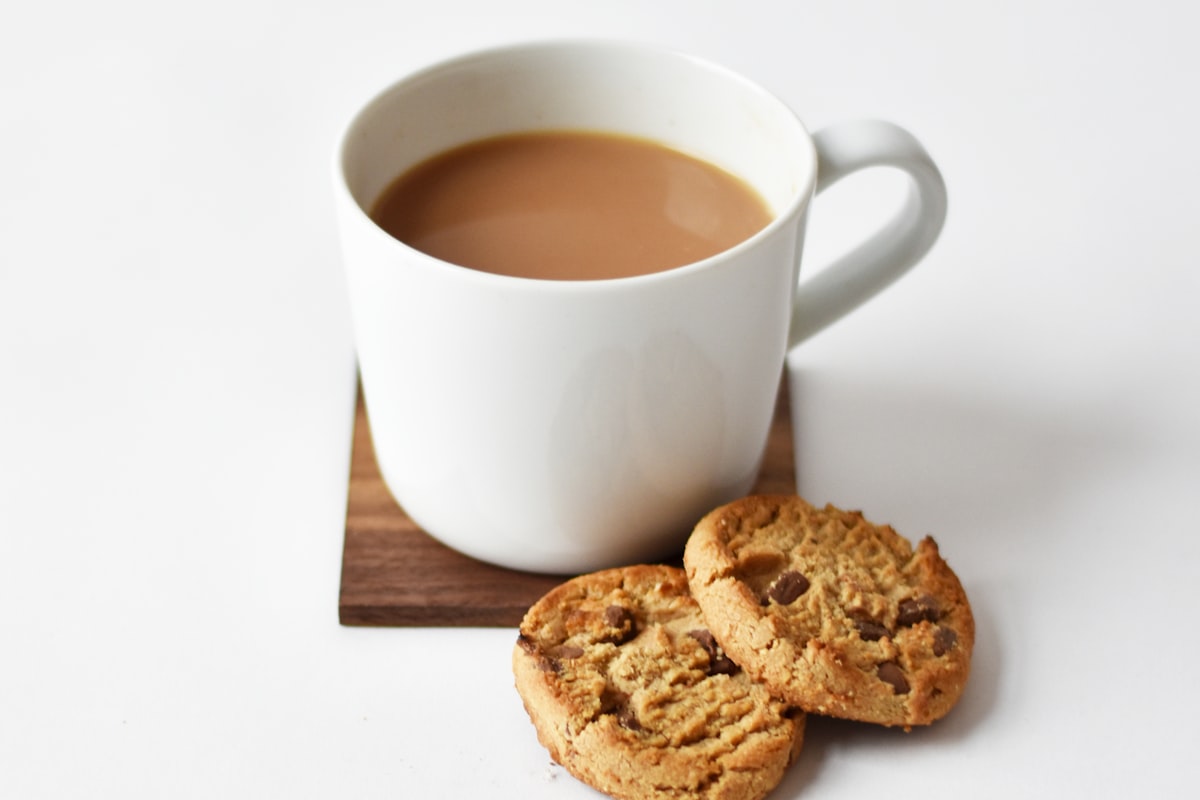
On the flip side, certain drinks are notorious heartburn triggers. Citrus juices (orange, grapefruit, lemon) are highly acidic and can irritate an already inflamed esophagus. Alcohol, coffee, and caffeinated beverages can relax the LES and increase acid production. Carbonated beverages can cause bloating and pressure that pushes acid upward.
The key is to sip slowly, stay upright after drinking, and pay attention to what your body tells you. What works for one person might not work for another, so experiment carefully.
Understanding heartburn and acid reflux: why it happens
Heartburn happens when stomach acid backs up into your esophagus—the tube that connects your throat to your stomach. Normally, a ring of muscle called the lower esophageal sphincter (LES) acts like a one-way valve, keeping acid in your stomach where it belongs. When that muscle weakens or relaxes at the wrong time, acid escapes upward, causing that familiar burning sensation.
Several factors can weaken the LES or increase pressure on your stomach, including:
- Smoking, which relaxes the LES
- Abdominal pressure from being overweight or pregnant
- Hiatal hernia, where part of the stomach pushes up through the diaphragm
- Large meals that stretch the stomach
- Lying down too soon after eating
- Certain trigger foods and beverages
- Some medications, including certain blood pressure drugs, anti-inflammatories, and others
When heartburn happens two or more times per week, it's called gastroesophageal reflux disease (GERD). GERD is more serious than occasional heartburn and can lead to complications if left untreated, including esophagitis (inflammation of the esophagus), Barrett's esophagus, and even esophageal cancer in rare cases. If your symptoms are that frequent, it may be time to see a doctor for acid reflux.
What foods neutralize stomach acid immediately (and what to limit)
While no food can instantly “neutralize” acid, some foods are gentler on your digestive system and less likely to trigger symptoms. Bananas are a good choice—they're low in acid and high in fiber, which can help absorb excess acid. Oatmeal is another stomach-friendly option that can help soak up acid and provide a soothing coating effect.
Fiber-rich foods in general can help by moving food through your digestive system more efficiently and reducing the time acid has to cause trouble. Think whole grains, vegetables, and fruits (but skip the citrus).
Alkaline foods may help balance acidity. Low-fat dairy products like milk, yogurt, cottage cheese, and kefir can provide temporary relief for some people by coating the esophagus. However, full-fat versions can make things worse, so stick with low-fat or fat-free options.
On the other hand, certain foods are common triggers and best avoided or limited:
- Chocolate, which contains compounds that relax the LES
- Peppermint, despite its reputation for soothing digestion, can actually relax the LES
- Fried and fatty foods, which slow digestion and increase pressure on the stomach
- Citrus fruits and juices
- Tomatoes and tomato-based products
- Spicy foods
- Alcohol
Eating smaller, more frequent meals instead of three large ones can help prevent your stomach from getting too full and putting pressure on the LES. Also, try to avoid eating within three hours of bedtime to give your stomach time to empty before you lie down.
Acid reflux remedies at home: everyday habits that help
Beyond what you eat and drink, simple lifestyle tweaks can make a big difference in managing heartburn. Start with meal habits: eat smaller portions, chew thoroughly, and eat slowly to give your digestive system time to process food properly.
When it comes to liquids, sip water sparingly with meals rather than drinking large amounts, which can increase stomach volume and pressure. Save most of your hydration for between meals.
Skip tight clothing, especially around your waist, which can put pressure on your stomach and push acid upward. Stay upright for at least two to three hours after eating—gravity is your friend here, helping keep acid where it belongs.
Avoid exercise right after eating, especially activities that involve bending over or lying down. Wait at least two hours after a meal before working out.
Chewing sugar-free gum after meals can help by increasing saliva production, which helps neutralize acid and wash it back down to your stomach.
If heartburn strikes at night, elevate the head of your bed by 6 to 8 inches (using blocks under the bed frame, not just extra pillows). Sleeping on your left side can also help, as it keeps the stomach below the esophagus and reduces the chance of acid escaping.
Keep a food and symptom diary to identify your personal triggers. What sets off heartburn for one person might be fine for another, so tracking patterns can help you figure out what to avoid.
What to do during an acid reflux attack in the moment
When heartburn hits suddenly, quick action can help minimize the discomfort. First, stand up straight if you're sitting or lying down—gravity helps keep acid from rising further. Take slow, deep breaths to help relax and reduce stress, which can make symptoms feel worse.
Loosen any tight clothing around your waist or chest. If you've just eaten, avoid lying down or bending over.
Chew sugar-free gum to increase saliva production, which can help neutralize and wash down acid. Sip room-temperature water slowly—not ice cold, which can cause spasms, and not hot, which can irritate.
Over-the-counter antacids can provide fast relief by neutralizing stomach acid. These work quickly but the effect is temporary. If you find yourself reaching for antacids frequently, it's time to talk to a healthcare provider about more effective long-term solutions.
Important safety note: If you experience severe chest pain that radiates to your jaw or arm, especially if it's accompanied by shortness of breath, sweating, or nausea, seek emergency medical care immediately. These can be signs of a heart attack, not just heartburn.
What helps with heartburn long-term: lifestyle and prevention
For lasting relief, focus on lifestyle changes that address the root causes. If you smoke, quitting is one of the most important steps you can take—smoking weakens the LES and increases acid production. Limit alcohol consumption, which can relax the LES and irritate the esophagus.
Maintaining a healthy weight reduces pressure on your abdomen and stomach, which can help prevent acid from backing up. Even losing a small amount of weight can make a difference.
Review your medications with your healthcare provider. Some common medications can contribute to heartburn, including certain blood pressure drugs, anti-inflammatories like ibuprofen and aspirin, some antidepressants, and others. Your provider may be able to adjust dosages, switch medications, or suggest ways to take them that minimize side effects.
Diagnosis and treatment options for frequent heartburn and reflux
Most of the time, heartburn is diagnosed based on your description of symptoms. Your healthcare provider will ask about when symptoms occur, what triggers them, and how often they happen. If your symptoms are typical and respond well to treatment, further testing usually isn't necessary.
However, if symptoms are severe, frequent, or don't improve with treatment, your provider may recommend tests like an upper endoscopy (where a thin tube with a camera is passed down your throat to examine your esophagus and stomach) or an esophageal pH test (which measures acid levels in your esophagus over 24 hours).
Treatment options range from over-the-counter medications to prescription drugs to surgery in severe cases. Non-surgical options include:
- Antacids: Provide quick relief by neutralizing acid, but effects are temporary
- Alginates: Form a protective barrier on top of stomach contents to prevent reflux
- H2 blockers: Reduce acid production for several hours (examples: famotidine, ranitidine)
- Proton pump inhibitors (PPIs): More powerful acid reducers that work for longer periods (examples: omeprazole, lansoprazole, esomeprazole)
OTC Medications for Heartburn: Quick Comparison
| Type | Examples | Best for | How it works | How fast | How long | Safety notes |
|---|---|---|---|---|---|---|
| Antacids | Tums, Rolaids, Mylanta, Maalox | Occasional, mild heartburn | Neutralizes existing stomach acid | Immediate (within minutes) | 30 minutes to 2 hours | Can interfere with some medications; avoid if you have kidney problems |
| Alginates | Gaviscon | Preventing reflux, especially at night | Forms protective barrier on stomach contents | Within minutes | Several hours | Generally safe; may cause constipation or diarrhea |
| H2 Blockers | Pepcid (famotidine), Tagamet (cimetidine) | Moderate, frequent heartburn | Reduces acid production | 30 minutes to 1 hour | 6-12 hours | Can interact with some medications; may cause headaches or dizziness |
| PPIs | Prilosec (omeprazole), Nexium (esomeprazole), Prevacid (lansoprazole) | Frequent, severe heartburn or GERD | Blocks acid production at the source | 1-4 hours for first dose; full effect takes days | Up to 24 hours | Don't use longer than 14 days without medical supervision; may increase risk of fractures, kidney issues with long-term use |
For severe cases that don't respond to medication, surgical options may be considered:
- Nissen fundoplication: Wraps the top of the stomach around the lower esophagus to strengthen the LES
- Transoral incisionless fundoplication (TIF): A less invasive procedure that tightens the LES using an endoscope
- LINX device: A ring of magnetic beads placed around the LES that strengthens it while still allowing food to pass
- Hiatal hernia repair: If a hiatal hernia is contributing to reflux, surgical repair may be needed
Working with a healthcare provider to manage heartburn safely
If heartburn is disrupting your life, don't go it alone. A healthcare provider can help you develop a personalized plan that addresses your specific triggers and symptoms. Before your appointment, prepare by keeping a food and symptom diary—note what you eat, when symptoms occur, and how severe they are.
Be ready to discuss what over-the-counter medications you've tried and how well they worked. Also share what lifestyle changes you've tested, so your provider can build on what's already helping.
A Gen Med virtual appointment can be a convenient way to get expert guidance from home. During your visit, your provider can review your symptoms, recommend appropriate treatments, adjust medications if needed, and determine if further testing is necessary.
When to seek care (red flags you shouldn't ignore)
While occasional heartburn is common and usually not serious, certain symptoms warrant prompt medical attention. See a healthcare provider if:
- Heartburn occurs two or more times per week
- Over-the-counter medications stop working or you need them regularly
- You have difficulty swallowing or feel like food is stuck in your throat
- You experience unexplained weight loss
- You have black, tarry stools (which can indicate bleeding)
- You vomit blood or material that looks like coffee grounds
Emergency warning: If you experience severe chest pain that radiates to your jaw or arm, especially with shortness of breath, sweating, or nausea, call 911 or go to the emergency room immediately. These symptoms can indicate a heart attack, not just heartburn. Learn more about how to tell the difference between anxiety chest pain and a heart attack.
The bottom line
Finding relief from heartburn usually comes from a combination of the right drinks, stomach-friendly foods, and daily habits that keep acid where it belongs. What works varies from person to person, so pay attention to your body's signals and be patient as you figure out your personal triggers and solutions.
If heartburn is frequent or severe, or if lifestyle changes aren't enough, Gen Med can help. Connect with an experienced clinician to discuss your symptoms, get personalized treatment recommendations, and develop a plan to keep heartburn from disrupting your life.
Key takeaways
- Water, low-fat milk, and ginger tea can help soothe heartburn, while citrus juices, alcohol, coffee, and carbonated drinks often make it worse.
- Eating smaller meals, staying upright after eating, and avoiding trigger foods can prevent heartburn before it starts.
- Over-the-counter medications range from quick-acting antacids to longer-lasting PPIs, but frequent use warrants a healthcare provider visit.
- See a provider if heartburn happens twice weekly or more, OTC meds stop working, or you experience difficulty swallowing, weight loss, or signs of bleeding.
FAQ
What gets rid of heartburn quickly?
For immediate relief, try standing up straight, taking slow deep breaths, and sipping room-temperature water. Over-the-counter antacids like Tums or Rolaids can neutralize acid within minutes. Chewing sugar-free gum may also help by increasing saliva production. If heartburn is frequent, H2 blockers or PPIs provide longer-lasting relief but take longer to start working.
Can drinking water help heartburn?
Yes, water can help by diluting stomach acid and flushing it out of your esophagus. Sip room-temperature water slowly—avoid ice-cold water, which can cause spasms, and don't chug large amounts during meals, which can increase stomach pressure. Drinking water between meals and staying hydrated throughout the day can help prevent heartburn from starting.
What drinks help with acid reflux while pregnant?
During pregnancy, stick with gentle options like plain water (room temperature), low-fat milk, or ginger tea. Avoid citrus juices, caffeinated beverages, and carbonated drinks, which can trigger or worsen symptoms. Always check with your healthcare provider before taking any medications, including over-the-counter antacids, during pregnancy.
Can drinking cold water reduce heartburn?
Cold water can actually make heartburn worse for some people by causing esophageal spasms. Room-temperature or slightly warm water is generally better for soothing heartburn. If cold water seems to help you, that's fine, but if it makes symptoms worse, stick with warmer options.
Our editorial standards
At Gen Med, we cut through the clutter to make health care clearer, faster, and easier to navigate. Every article is grounded in evidence-based research and peer-reviewed journals, reviewed by medical professionals, and written in accessible language that helps you make health decisions with confidence. We're committed to ensuring the quality and trustworthiness of our content and editorial process by providing information that is up-to-date, accurate, and actually useful.